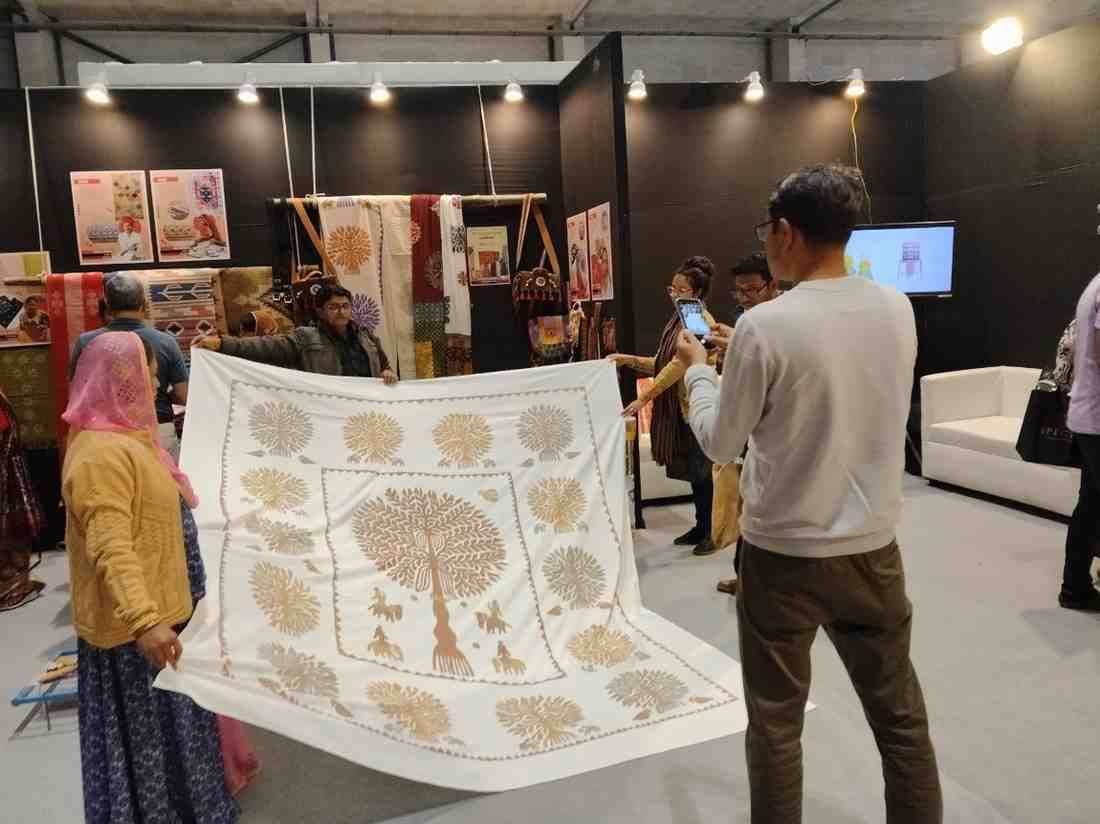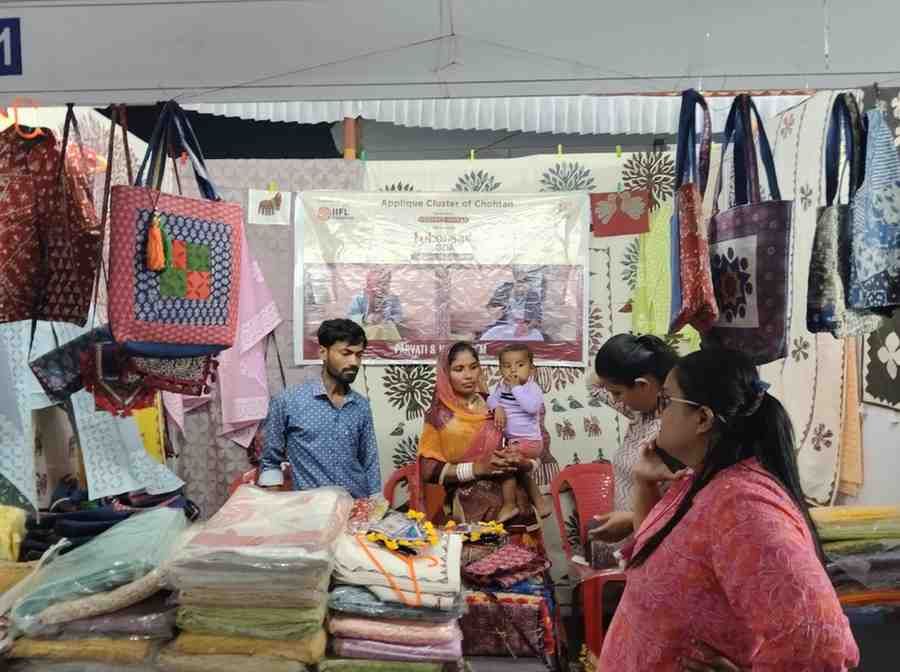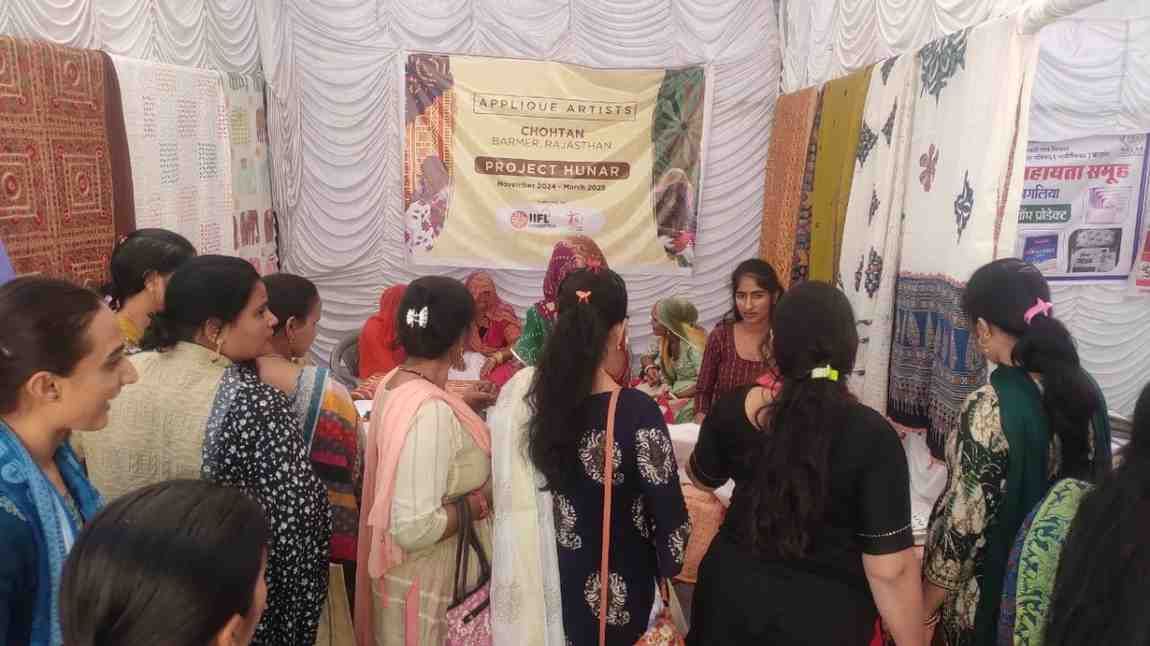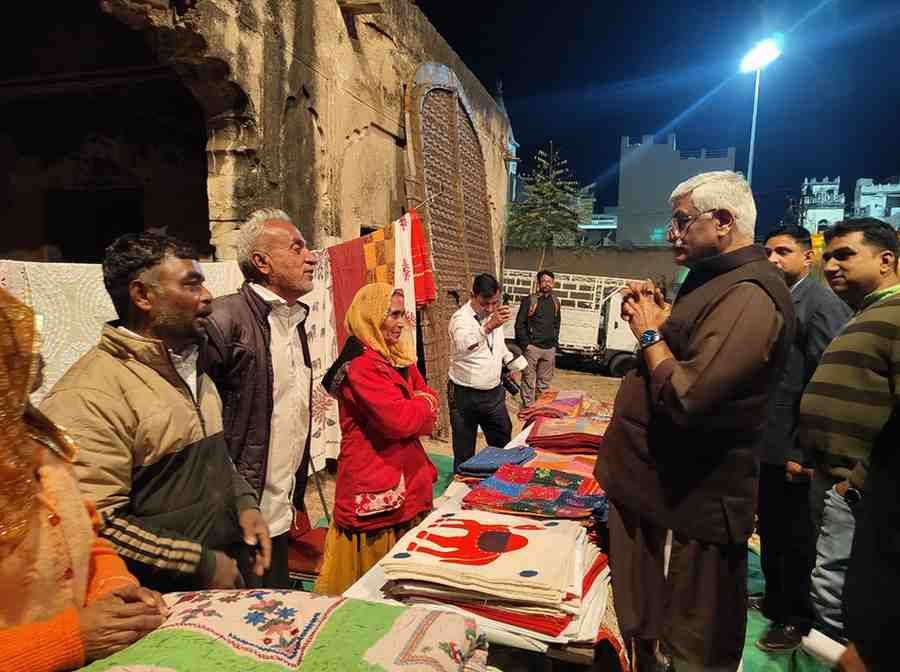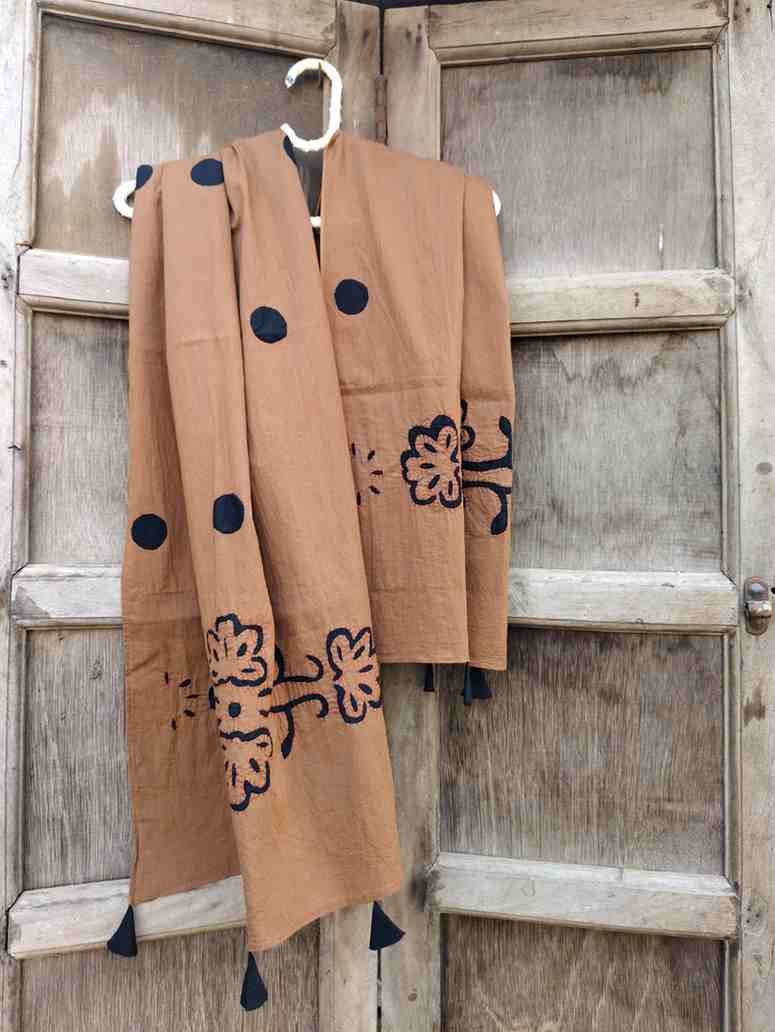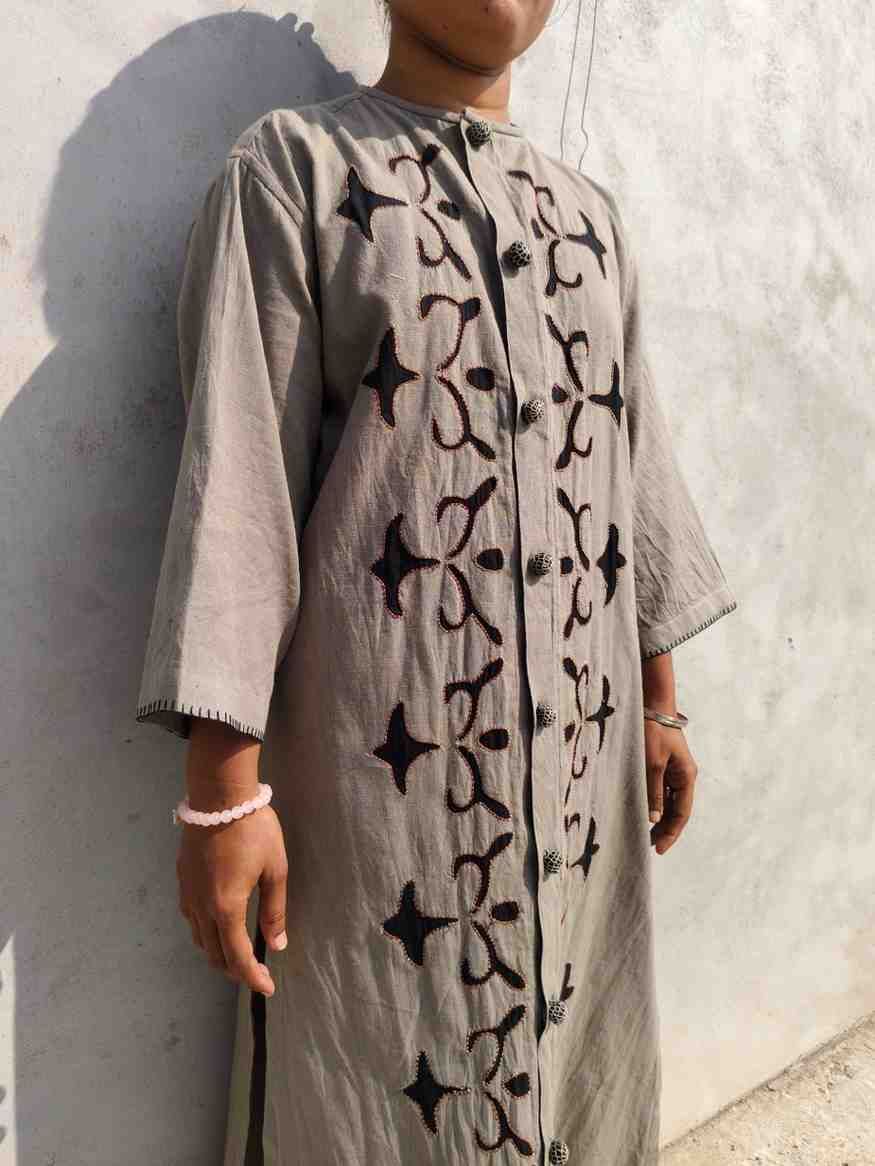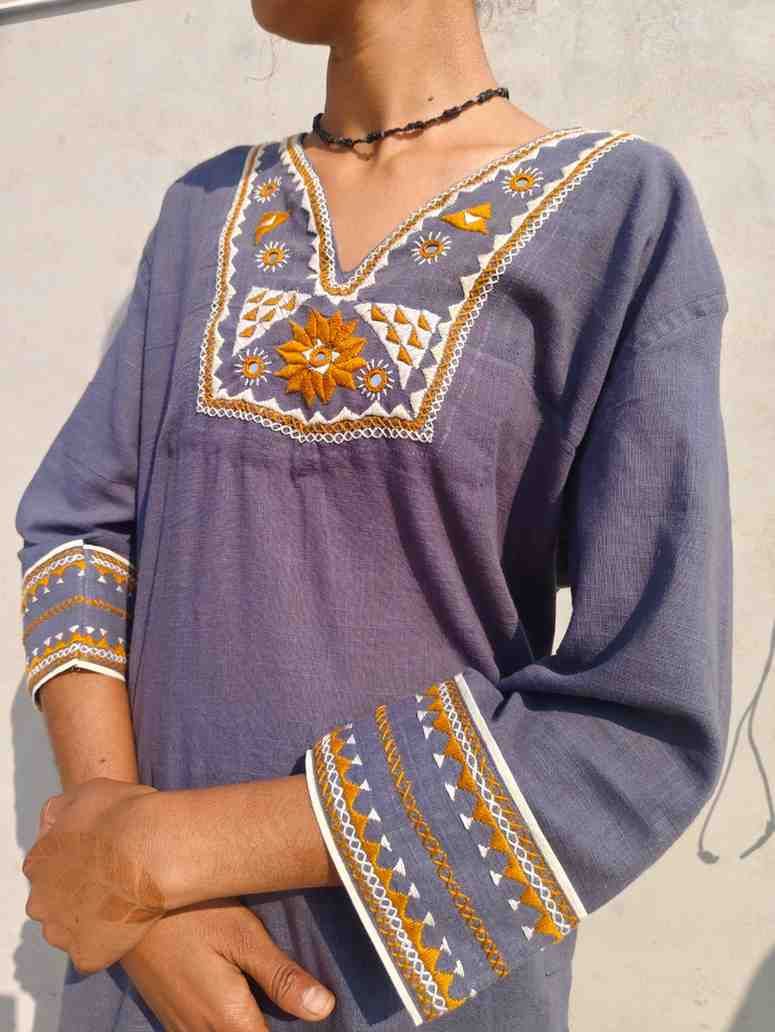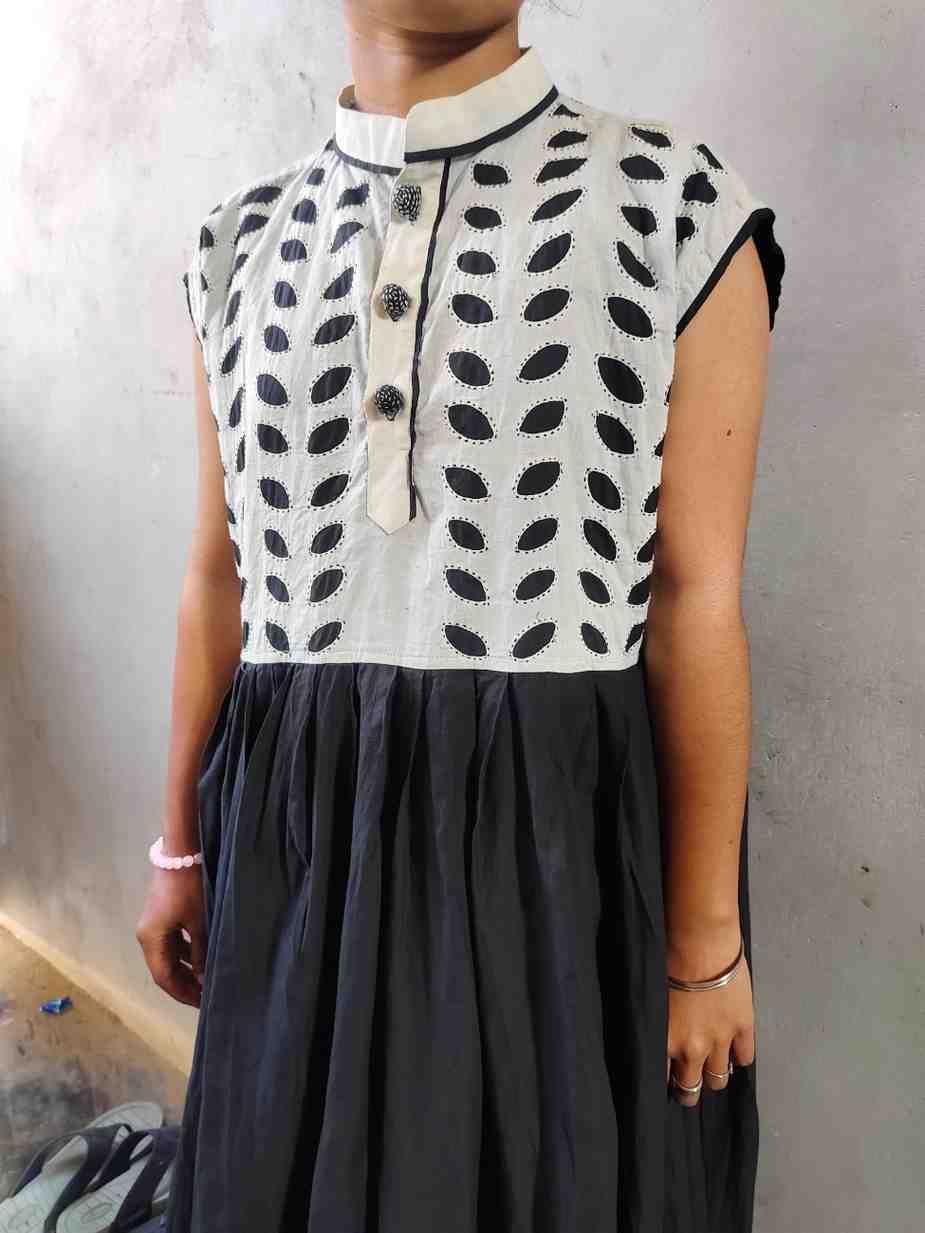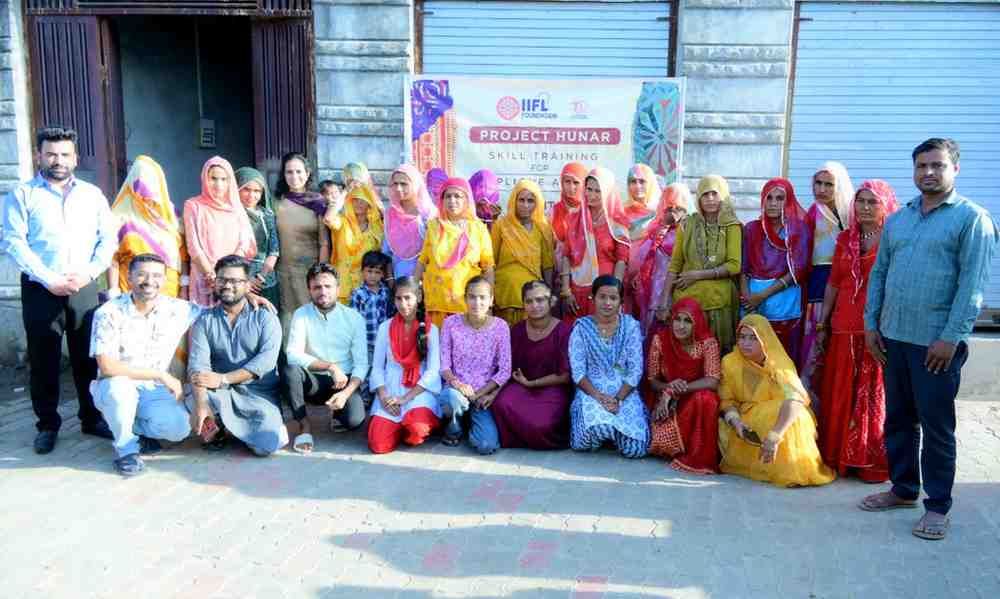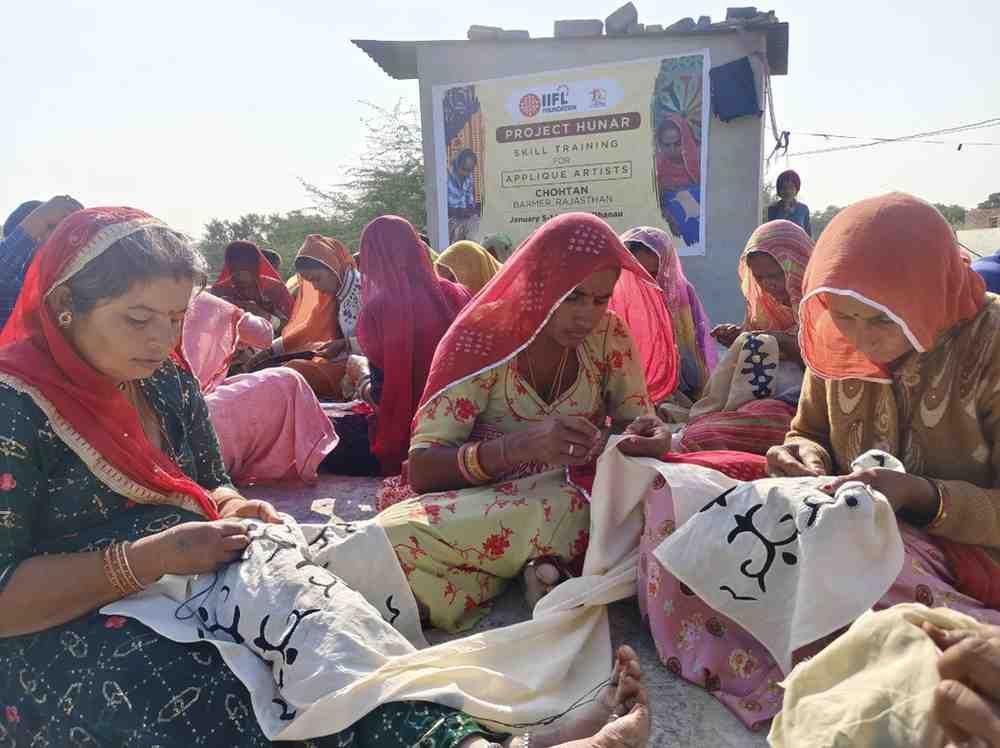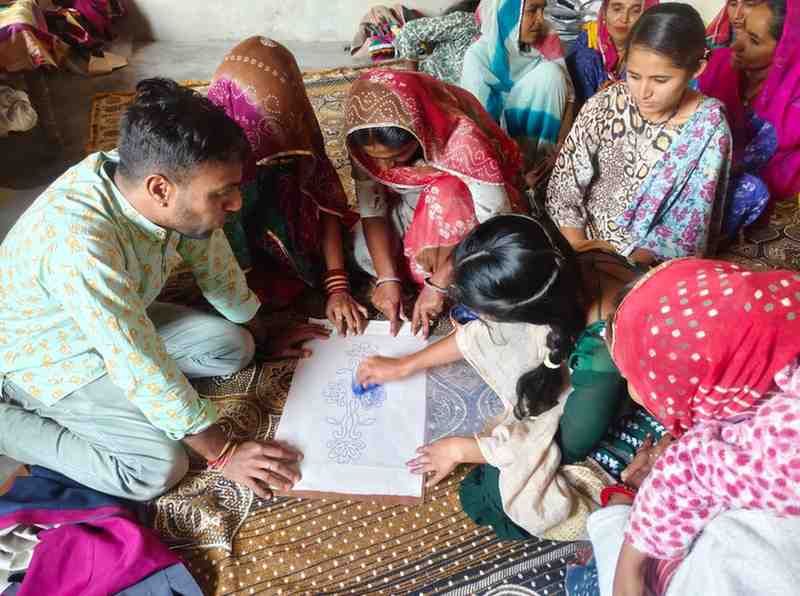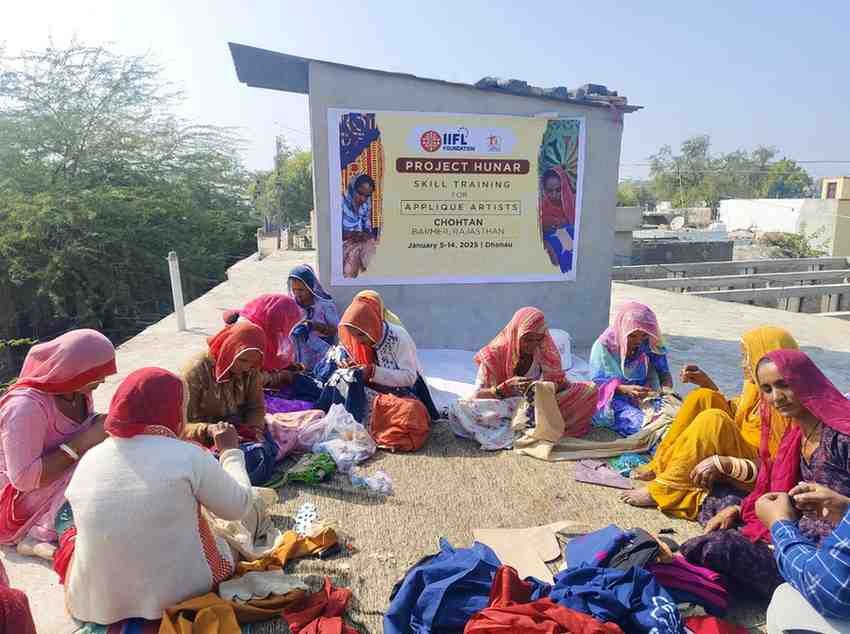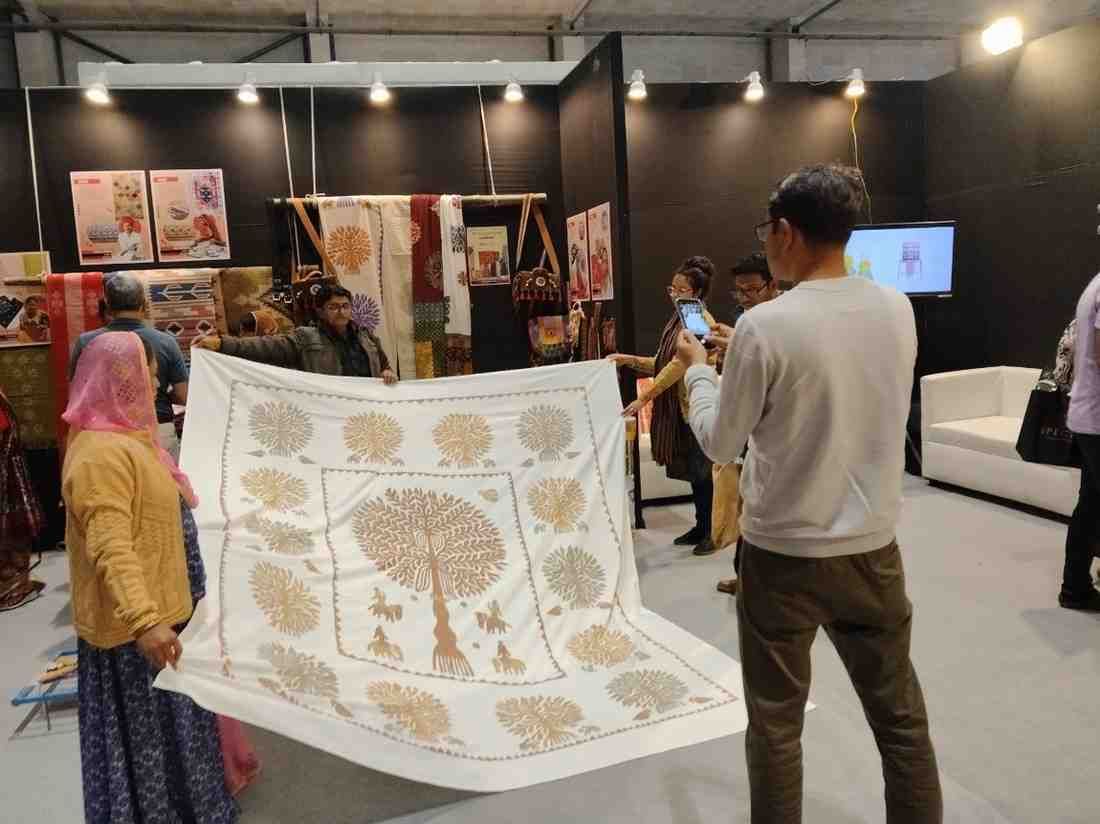
The "Hunar" initiative, aimed to uplift women appliqué artists from five villages in Barmer district’s Dhanau tehsil, Rajasthan. Focused on enhancing traditional skills, fostering innovation, and building direct market linkages, the project empowered 220 women artists from five villages namely, Dhanau, Alamsar, Sawa, Itada, and Burhan ka Tala.
The project built on the region’s rich legacy of appliqué and embroidery. Through a structured series of capacity-building phases—starting with a Training of Trainers (ToT) programme followed by roll-out training, advanced product development, and digital-business skills sessions—the intervention aimed at both skill enhancement and cultural preservation.
The ToT module trained 25 master artists in advanced design and garment techniques, who later led trainings for the remaining cohort of 178 women. These sessions significantly improved the artists’ abilities in design innovation, pattern cutting, stitching, and finishing, while encouraging creative independence and breaking gender norms.
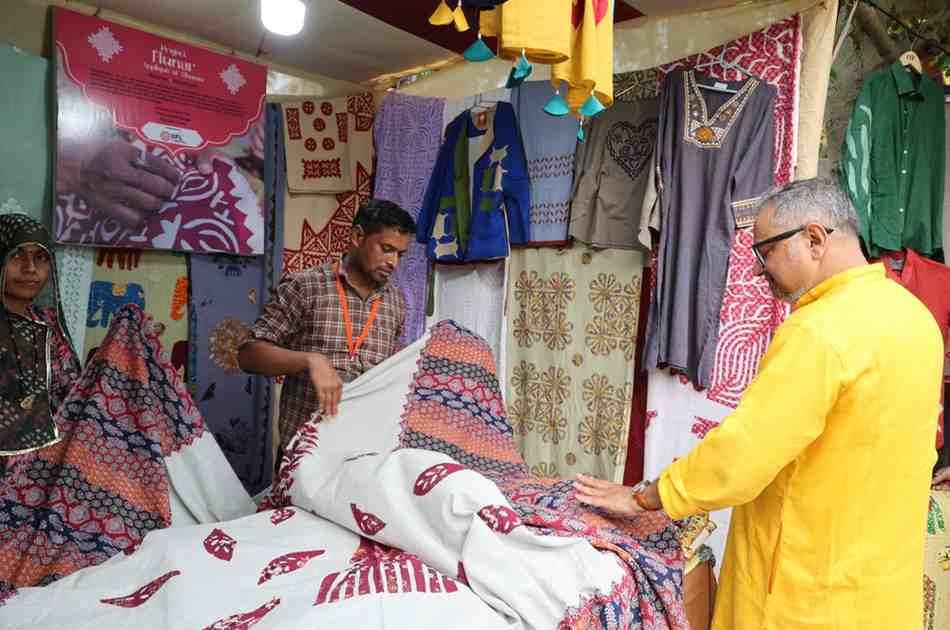
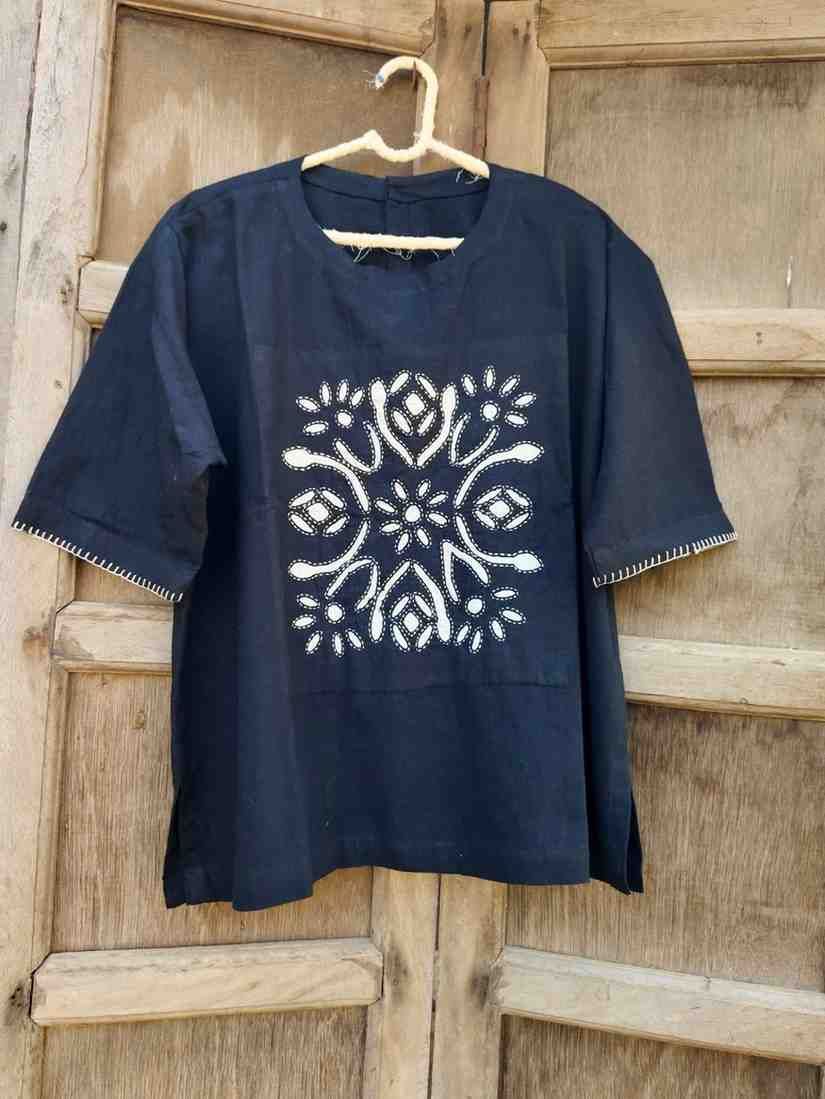
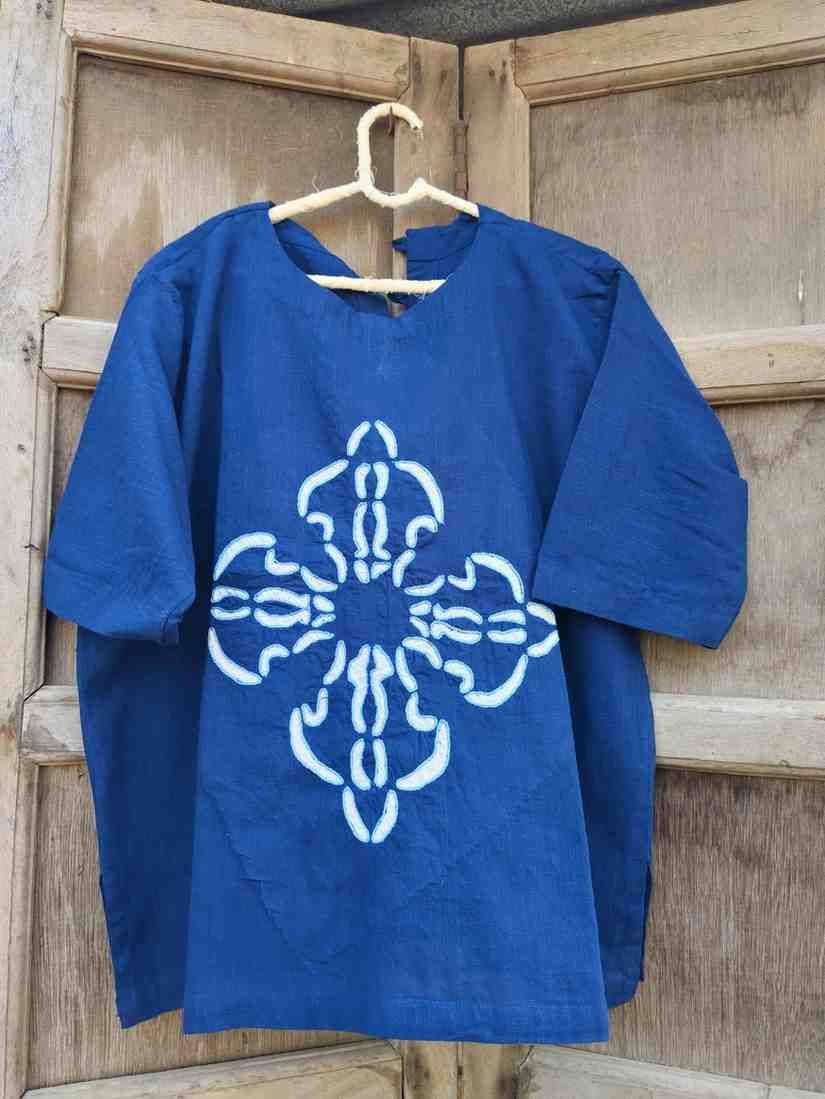
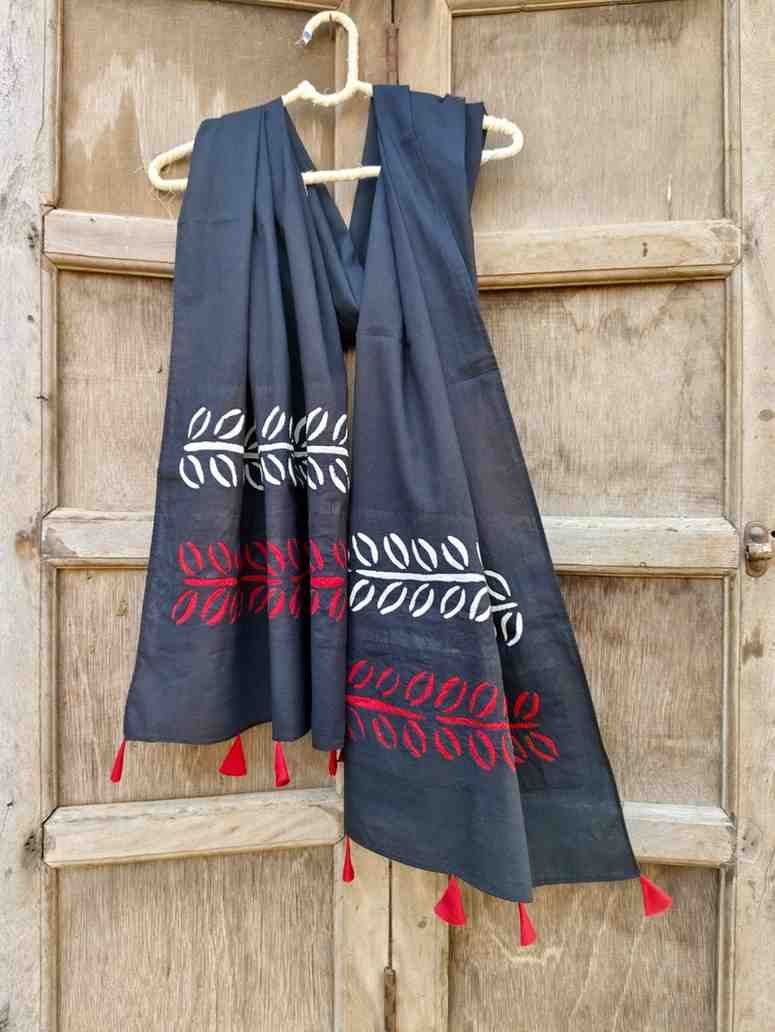
Specialized trainings under the project focused on seamlessly blending traditional embroidery and appliqué techniques with contemporary product lines such as kurtis, kaftans, jackets, bags, and home décor items. To complement these creative skills, a dedicated Business and Digital Skills module equipped artists with essential knowledge in branding, costing, and online marketing, significantly enhancing their entrepreneurial capabilities. In parallel, efforts were made to facilitate formal recognition and institutional support for the artists—resulting in 95 women successfully obtaining Artisan Cards from the Development Commissioner (Handicrafts) office, thereby enabling access to a range of government welfare schemes and opportunities.
Exposure through national events such as Maru Udan, Lokotsav, ABID Expo, Sur Jahan and Vhah Festival enabled artists to showcase their work to diverse audiences, and generate direct sales and new market leads. Women who previously worked under middlemen found new confidence in representing their craft independently.
The impact of Hunar has been transformative—reviving traditional techniques, enhancing technical skillsets, promoting cultural continuity, and fostering gender-inclusive economic development. Importantly, the project has laid the foundation for sustainable livelihoods and established a replicable model of traditional craft-based community empowerment.